Amazon today announced two satellite deals that it hopes will make its Amazon Leo network a more formidable competitor to SpaceX’s Starlink.
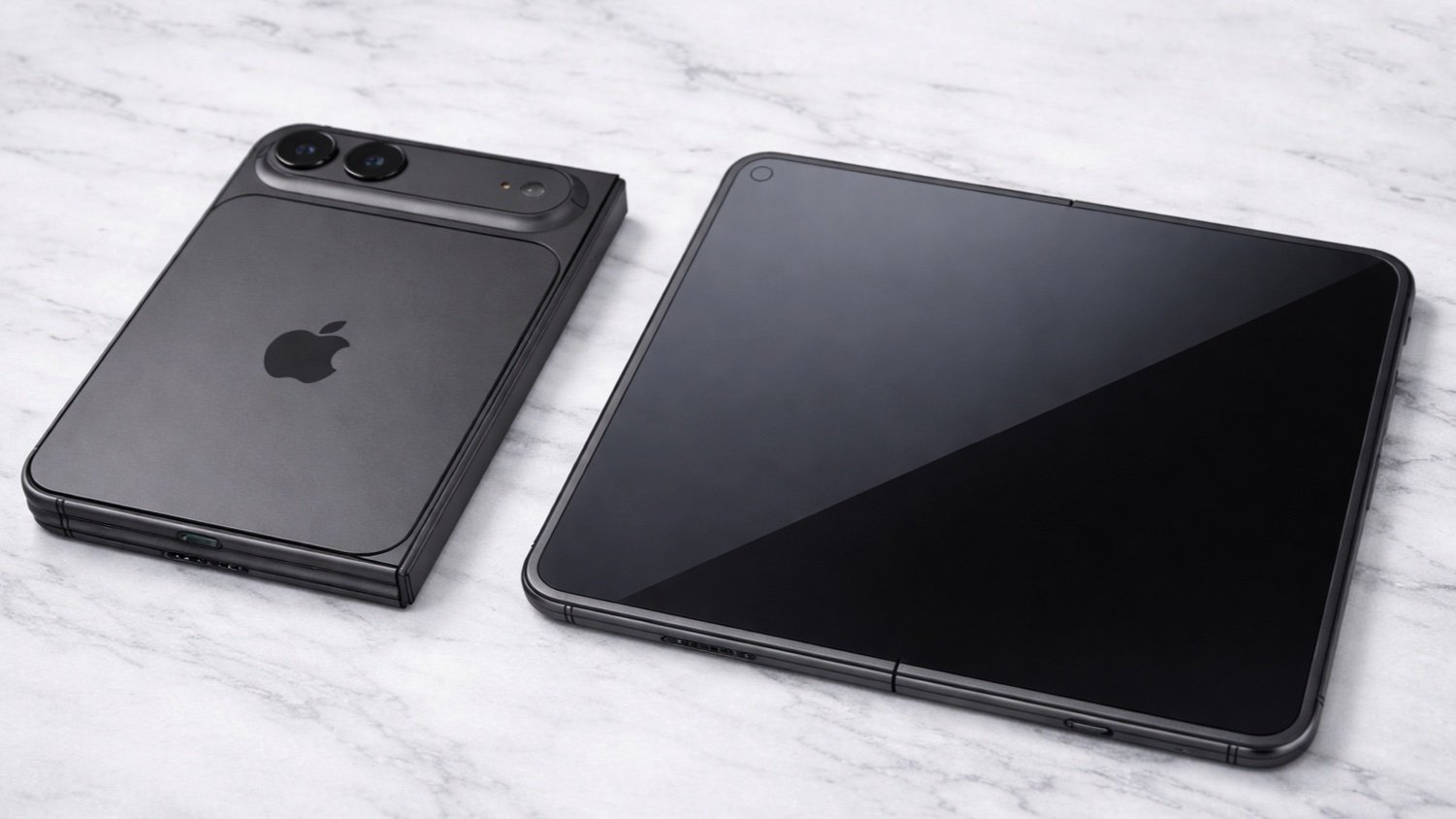
Amazon signed a merger agreement to buy satellite operator Globalstar and said it entered into an agreement with Apple to provide satellite service for iPhones and Apple Watches.
Amazon is spending an estimated $11.6 billion for Globalstar, which already partnered with Apple for satellite messaging on the iPhone.
Amazon said that buying Globalstar will help it enter the Direct-to-Device (D2D) market in which satellites provide connectivity to mobile phones.
“In addition to the agreement with Globalstar, Amazon and Apple signed an agreement to provide satellite connectivity for current and future iPhone and Apple Watch features,” according to Amazon, which operates the Amazon Leo satellite network formerly known as Kuiper Systems.
Panos Panay, Amazon’s senior VP of devices and services, said the Apple deal will make Amazon the “primary satellite service provider for iPhone and Apple Watch.”
The current Globalstar service works with the iPhone 14 and later models, and the Apple Watch Ultra 3, “allowing users to text emergency services, message friends and family, request roadside assistance, and share their location,” Amazon said.
Amazon said it will continue to support those Apple device models and “collaborate with Apple on future satellite services using Amazon Leo’s expanded satellite network.”
Globalstar stockholders will be given a choice between $90 in cash per share or “0.3210 shares of Amazon common stock with a value capped at $90.00 per share,” Amazon said.
The final deal value may fluctuate based on Amazon’s stock price, and has been estimated at either $10.8 billion or $11.6 billion depending on the source. Globalstar reportedly held talks with SpaceX about selling to Musk’s company last year.
Amazon targets 2028 mobile launch
Amazon’s press release includes a quote from Greg Joswiak, Apple’s senior VP of worldwide product marketing.
“Apple and Amazon have a long and proven track record of working together through Amazon’s core infrastructure services, and we look forward to building on that collaboration with Amazon Leo,” he said.
“This ensures our users will continue to have access to the vital satellite features they have come to rely on, including Emergency SOS, Messages, Find My, and Roadside Assistance via satellite, so they can stay safe and connected while off the grid.”
Amazon didn’t go into much more detail about the features it will support on Apple devices.
Bloomberg reported in November that Apple was working on a satellite framework for third-party apps that would let developers add satellite connections to their apps.
Apple was also reportedly working on satellite-powered maps and richer messaging capabilities for satellite connections.
Amazon and Globalstar operate at smaller scales than Starlink, which already has over 10,000 satellites in orbit and plans for many more.
So far, Starlink’s constellation includes about 650 D2D satellites for mobile service, which is offered through T-Mobile in the US and other carriers abroad.
Amazon has deployed 241 satellites and says it will have over 3,000 when its initial satellite constellation is complete.
Globalstar operates 24 satellites in low-Earth orbit (LEO) and has said its third-generation system, or C-3, will include 48 additional satellites.
It’ll take at least a couple of years for Amazon’s Globalstar plans to come to fruition.
The merger is expected to close in 2027, subject to regulatory approval and a requirement that Globalstar meet deadlines for replacing some of its satellites.
The next year, if all goes to plan, Amazon will deploy a new D2D service.
“Beginning in 2028, Amazon Leo will deploy its own next-generation D2D satellite system, allowing Amazon to deliver more advanced voice, data, and messaging services to mobile phones and other cellular devices,” the company said.
“The Leo D2D system will offer substantially higher spectrum use and efficiency than legacy direct-to-cell systems, which translates into faster speeds and better performance for customers.”
Starlink’s size poses big challenge
Amazon also plans satellite home Internet and has been lining up business partners for other connectivity services.
CEO Andy Jassy said in a letter to shareholders last week that “Amazon Leo is officially scheduled to launch in mid-2026,” and has “meaningful revenue commitments from enterprises and governments.”
That includes deals with Delta Airlines, JetBlue, AT&T, Vodafone, DirecTV Latin America, Australia’s National Broadband Network, and NASA, he wrote.
As we’ve previously written, Starlink’s ambitious plans for mobile service have put pressure on cellular carriers that chose to partner with other satellite firms like AST SpaceMobile.
It’s also potentially a problem for Apple, which reportedly declined a 2022 proposal from Elon Musk to bring Starlink to iPhones.
Globalstar’s limited capabilities compared to Starlink is said to have caused internal dissent at Apple, where some people worried that the Globalstar network was outdated, slow, and limited in the features it could support.
While Globalstar hasn’t launched as many LEO satellites as Amazon, the to-be-acquired firm also gives Amazon new spectrum holdings.
“As part of the agreement, Amazon will acquire Globalstar’s existing satellite operations, infrastructure, and assets, including MSS [Mobile Satellite Service] spectrum licenses with global authorizations,” Amazon said.
The combination of “Globalstar’s spectrum and established MSS capabilities with the scale, performance, and reach of Amazon Leo” will help Amazon “deliver continuous connectivity for consumer, enterprise, and government customers around the world—whether they’re living or working in remote areas or simply moving in and out of traditional cellular networks,” the merger press release said.
FCC chair open to Amazon/Globalstar deal
Amazon will need Federal Communications Commission approval for the transaction.
Amazon and SpaceX have repeatedly clashed in regulatory proceedings at the FCC, with each company raising objections to the other’s satellite deployments.
While FCC Chairman Brendan Carr recently took SpaceX’s side in a dispute with Amazon, Carr said on CNBC today that “we’re very open-minded to” the deal.
Carr said the Amazon/Globalstar combination is “consistent with the long-term vision that we have to make sure that the US leads in this next-gen era of direct-to-cell technologies.”
Carr said he hopes to have at least three major satellite operators in the direct-to-cell market, similar to how there are three major nationwide cellular network operators in AT&T, Verizon, and T-Mobile.
Carr noted that Starlink and Amazon have competition from AST SpaceMobile, which has deals with both AT&T and Verizon.
Amazon recently filed a petition asking the FCC to deny SpaceX’s request to launch up to 1 million satellites, which led Carr to issue a blistering criticism of Amazon.
“Amazon should focus on the fact that it will fall roughly 1,000 satellites short of meeting its upcoming deployment milestone, rather than spending their time and resources filing petitions against companies that are putting thousands of satellites in orbit,” Carr wrote at the time.
Carr was referring to a previous Amazon request for a two-year deadline extension.
Amazon was supposed to launch half of its constellation by July 30, 2026, but told the FCC in January that “Amazon Leo is producing satellites considerably faster than others can launch them.”