Market Women Reject Styrofoam Ban
Traders and food vendors at the Kotokuraba Market in Cape Coast have openly rejected the government’s policy to ban single-use styrofoam, popularly known as take-away packs, nationwide. The ban covers food packaging containers, takeaway packs, disposable cups and plates, and foam materials.
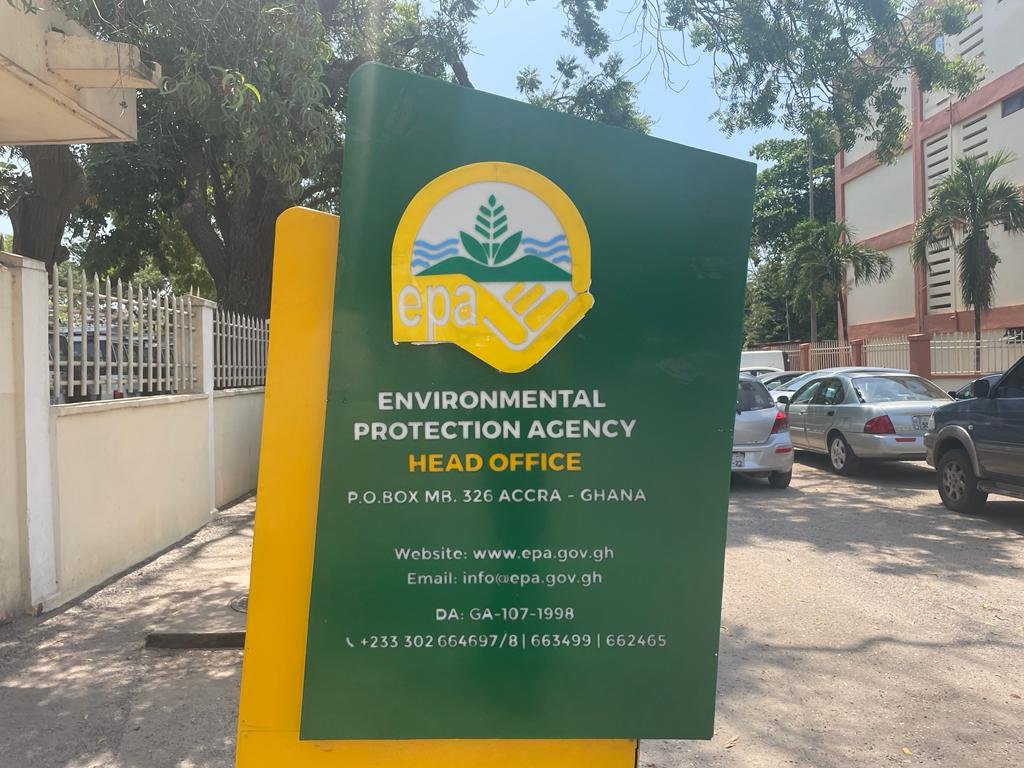
While the Environmental Protection Authority (EPA) cites environmental degradation and public health risks as reasons for phasing out the material, local service sellers insist the policy threatens their livelihoods without offering affordable alternatives.
The market, typically known for its bustling daily trade, is now filled with heated discussions over how the proposed restriction will disrupt low-income traders and vendors.
Government Address
“Styrofoams and plastics are clogging our gutters and waterways, littering our beaches, polluting our farmlands, and choking our urban streams.
Therefore, the importation and production of styrofoam in Ghana will be banned from January 1, 2027.
Food packaging will shift to paper or aluminium foil,” said President John Dramani Mahama during the 2025 World Environment Day celebration on June 5, 2025.
EPA Director’s Speech
The Chief Executive Officer of the EPA, Prof. Nana Ama Browne Klutse, said the ban is the first phase of a crackdown on single-use plastics. She said: “Ghana is taking the first step with styrofoam, and I am confident we will succeed before moving to the next phase of single-use plastics.”
Deputy CEO of EPA
The Deputy CEO of the EPA in charge of Operations, Professor Michael Ayamga-Adongo, said enforcement will commence on January 1, 2027, with no further extensions. He warned: “We have given ample time, and if at this point in time you still decide to go importing polystyrene products and their derivatives, you are definitely going to be dealing with us when January 1 comes.”
Some Market Women Who Sell Styrofoam Reject the Ban
At Kotokuraba Market in Cape Coast, some market women who sell styrofoam said they do not agree with the ban.
One of them, Mummy Joana, said she does not agree with the government over the ban, but if the government still insists, it should provide something to replace styrofoam for them to sell and survive.
She said that if government simply bans it, it will cause a very big problem for her because it is the only product she sells to take care of her household.
Another trader said government cannot just ban styrofoam without providing a replacement.
She said government should provide an affordable alternative that people can buy because, since the announcement, business at the market has not been as good as it used to be.
A third person, who is a student and also sells styrofoam at the market, said the ban is really going to affect her education because selling styrofoam is the only way she has been supporting her education, as she does not receive support from elsewhere.
She appealed to government to replace styrofoam with another affordable product or, if possible, reconsider the ban.
Some Food Sellers Support the Ban
Some food sellers at the same market, however, agreed with the government.
They said styrofoam is harmful and not good for health.
Some said they prefer using leaves to package food rather than styrofoam because they believe styrofoam makes food spoil quickly.
One food seller said that when she uses styrofoam to pack hot food, the food spoils quickly.
She said leaves keep the food fresh and are healthier than styrofoam.
Another food seller who agreed with the ban said she has plates to serve her customers and can also use leaves for packaging when a customer wants food to take away.
The Way Forward
The EPA says a collective transition away from non-biodegradable plastics is necessary to protect public health and reduce plastic waste and flooding.
The goal should be simple: protect the environment and public health without taking away the livelihoods of traders and students who depend on the sale of styrofoam.
Government should therefore provide affordable and readily available alternatives, such as paper-based packaging, for market women and food vendors before the ban takes effect.
This would help traders adjust to the new policy while supporting Ghana’s environmental protection goals.