
Deadly Virus in India Sparks Asia-Wide Panic: Nipah Could Spread Like COVID
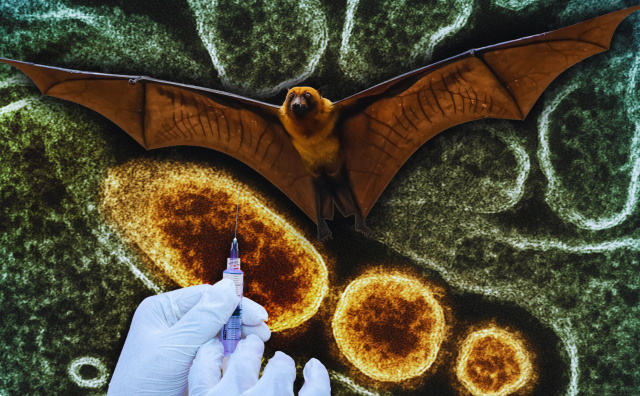
Scientists identify fruit bats as the primary reservoir, with antibodies found across Asia and parts of Africa.
An outbreak of the deadly Nipah virus in West Bengal, India, is sparking concern across Asia, prompting heightened screenings at airports and border crossings.
Thailand has begun checking passengers arriving from West Bengal at Suvarnabhumi, Don Mueang, and Phuket airports, while Nepal has implemented similar measures at Kathmandu airport and land borders.
Taiwan is considering classifying Nipah as a Category 5 notifiable disease, requiring immediate reporting and strict control measures.
The outbreak began earlier this month when five healthcare workers in West Bengal contracted the virus, with one in critical condition.
Authorities have quarantined around 110 individuals who had contact with them.
The virus, carried naturally by fruit bats and sometimes pigs, can jump to humans and then spread from person to person, often through close contact or contaminated food.
Fatality rates are alarmingly high, ranging from 40% to 75%, and no vaccine or approved treatment exists.
Monoclonal antibodies are being procured, but supplies are limited, leaving healthcare systems vulnerable.
Nipah infections can start subtly, with fever, headache, muscle pain, sore throat, and vomiting.
In severe cases, the virus can lead to pneumonia, respiratory distress, and deadly brain inflammation known as encephalitis, sometimes causing confusion, seizures, or coma.
The incubation period ranges from four to 21 days, meaning the virus can spread silently before symptoms appear.
Survivors may face long-term neurological problems, including seizures and personality changes, and rare relapses have been reported months or years later.
Past outbreaks offer a grim perspective.
First identified in Malaysia in 1998 among pig farmers, Nipah killed more than 100 people and led to the culling of a million pigs, triggering significant economic and social disruption.
Bangladesh has faced almost annual outbreaks since 2001, and India has seen cases in West Bengal and Kerala, including deadly incidents in 2018 and 2023.
The virus continues to appear sporadically, highlighting the persistent risk of a wider epidemic.
Authorities in India are scrambling to contain the current outbreak. In Barasat, near Kolkata, two nurses remain hospitalized in intensive care.
Investigations are ongoing for hundreds of potential contacts.
Quarantine measures extend for 21 days, particularly for those with close exposure, such as family members and hospital staff.
Local experts stress the situation is contained but warn that even small lapses could lead to rapid spread, especially given Nipah’s high contagion potential and silent incubation period.
Asian countries are taking proactive measures reminiscent of COVID-19 times.
Travelers from West Bengal are being screened rigorously, required to submit health declarations, and may be quarantined if symptoms appear.
Public awareness campaigns advise avoiding raw or unwashed fruit, direct contact with bats or pigs, and close exposure to infected individuals.
Health authorities emphasize early detection, hygiene, and monitoring, but the invisible nature of the virus and its lethality generate widespread anxiety.
The World Health Organization lists Nipah as a top-priority pathogen due to its epidemic potential and severe fatality rate.
Scientists identify fruit bats as the primary reservoir, with antibodies found across Asia and parts of Africa.
Yet, confirmed human outbreaks remain geographically concentrated, mainly in South and Southeast Asia.
Despite this, global health officials warn that with international travel and dense populations, a single undetected transmission chain could escalate rapidly.
The Nipah virus outbreak evokes chilling memories of the early COVID-19 pandemic.
The combination of high lethality, silent spread, and lack of treatment or vaccine means authorities and the public must remain vigilant.
Travelers returning from West Bengal and Kerala are urged to self-monitor, follow airport screenings, and seek immediate medical attention at the first sign of illness.
Even a few undetected cases could ignite chains of transmission, making containment a race against time.