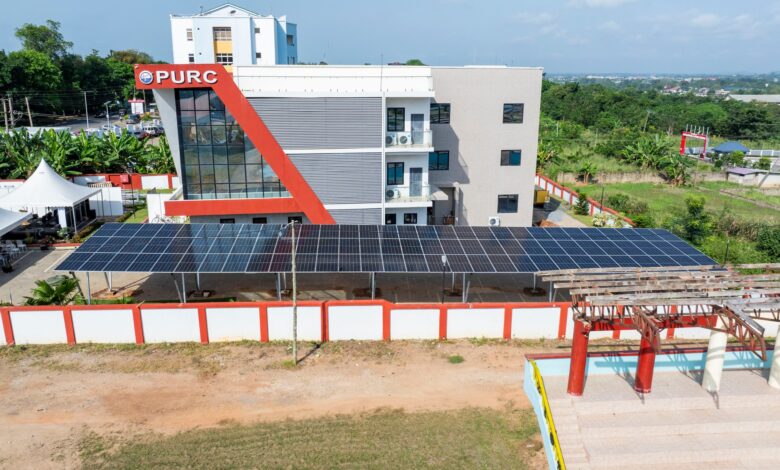
Electricity and water tariffs to drop from April 1 — PURC announces new rates
Ghanaians will pay slightly less for electricity and water beginning April 1, 2026, after the Public Utilities Regulatory Commission (PURC) announced a downward review of tariffs for the second quarter of the year.
In a statement issued on March 13, the commission said electricity tariffs would be reduced by an average of 4.81 per cent, while water tariffs would drop by 3.06 per cent.
The regulator explained that the adjustment forms part of its quarterly tariff review mechanism, which allows it to respond to changes in key economic indicators that affect the operations of utility service providers.
According to the commission, the review took into account movements in the cedi–dollar exchange rate, inflation, the cost of natural gas used for thermal power generation and the country’s electricity generation mix.
The commission said the projected exchange rate used for the review was GH¢11.1931 to one US dollar, based on a three-month interbank average from December 2025 to February 2026.
This represented a 6.78 per cent decline compared with the rate applied in the previous quarter.
It also applied a three-month average inflation rate of 4.17 per cent for the same period, which marked a significant reduction compared with the previous quarter’s assumptions.
However, the weighted average cost of natural gas rose slightly to 8.0988 dollars per MMBtu, representing a 2.84 per cent increase over the earlier benchmark.
The commission said Ghana’s electricity generation mix for the period remained unchanged, with 20.9 per cent expected to come from hydro sources and 79.1 per cent from thermal plants.
Based on these factors, the PURC approved reductions across several electricity customer categories, including residential and non-residential users, as well as special load tariff customers.
The regulator also announced the introduction of a new tariff category for commercial electric vehicle charging stations as part of efforts to support Ghana’s transition to cleaner energy and sustainable transport.
The quarterly tariff adjustment mechanism is designed to ensure that utility providers remain financially viable while balancing the impact of tariffs on consumers.