French cement company Lafarge found guilty of financing terrorism in Syria
Lafarge paid about $6.5M to armed groups in Syria between 2013 and 2014, in order to maintain operations at its cement plant in Jalabiya in country’s north, Paris court says
A French court on Monday found cement giant Lafarge, its former CEO Bruno Lafont and seven other executives guilty of financing terrorism over payments made to armed groups, including the ISIS (Daesh) terror group, during the Syrian civil war.
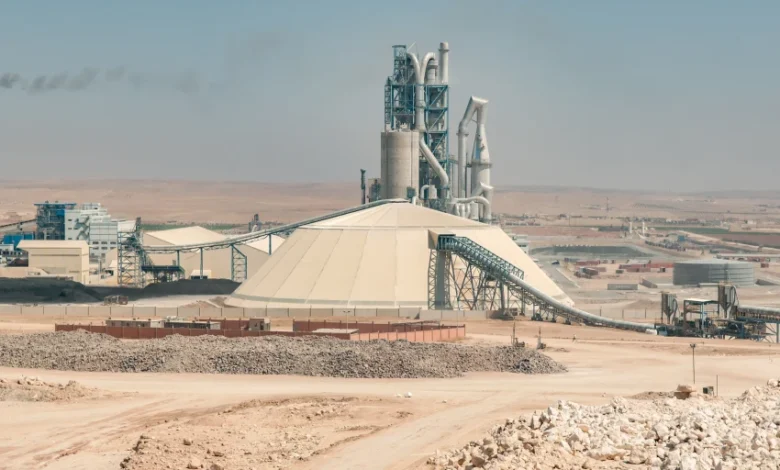
The Paris court ruled that Lafarge paid about €5.6 million ($6.5 million) to armed groups in Syria between 2013 and 2014, in order to maintain operations at its cement plant in Jalabiya in the country’s north.
It said Lafarge paid about $972,000 directly to terrorist groups, including more than $584,000 to ISIS.
According to the judgment, the payments were made through the company’s Syrian subsidiary to secure supply routes, ensure the movement of employees and goods, and allow the plant to continue operating despite the growing presence of militant groups.
Prosecutors argued that the company made a deliberate choice to prioritize economic interests over security risks, alleging that Lafont was aware of the payments and had instructed that operations be maintained.
They had sought prison sentences of up to six years for Lafont and significant financial penalties for the company, including a €1.125 million ($1.31 million) fine and the confiscation of assets worth tens of millions of euros.
Lafont has been sentenced to six years in prison, with an arrest warrant issued.
Security officers Jacob Waerness and Ahmad Al Jaloudi received sentences of 18 months and two years, respectively, with arrest warrants also issued.
Among Lafarge executives, former plant director Bruno Pescheux was sentenced to five years in prison, without security measures due to his health condition.
Former regional operations director Christian Herrault and Frederic Jolibois received sentences of five years with immediate imprisonment and three years, two of which were suspended, respectively.
The defense, however, maintained that Lafarge operated under pressure in what it described as an “extortion economy,” arguing that payments to armed groups were unavoidable to protect employees and avoid abandoning the facility.
The court rejected that argument, pointing to internal communications and financial records indicating structured payments and arrangements with armed factions.
The Jalabiya plant was eventually evacuated in September 2014 as ISIS advanced in the region, shortly before it fell under the group’s control.