High blood pressure affects millions of people and often develops without obvious warning signs.
Over time, the extra pressure on blood vessels can damage the heart, brain, kidneys, and other organs, raising the risk of heart attack, stroke, kidney disease, and heart failure.
Medicines can be very effective at controlling high blood pressure, but researchers are also interested in simple lifestyle and dietary approaches that might provide additional help.
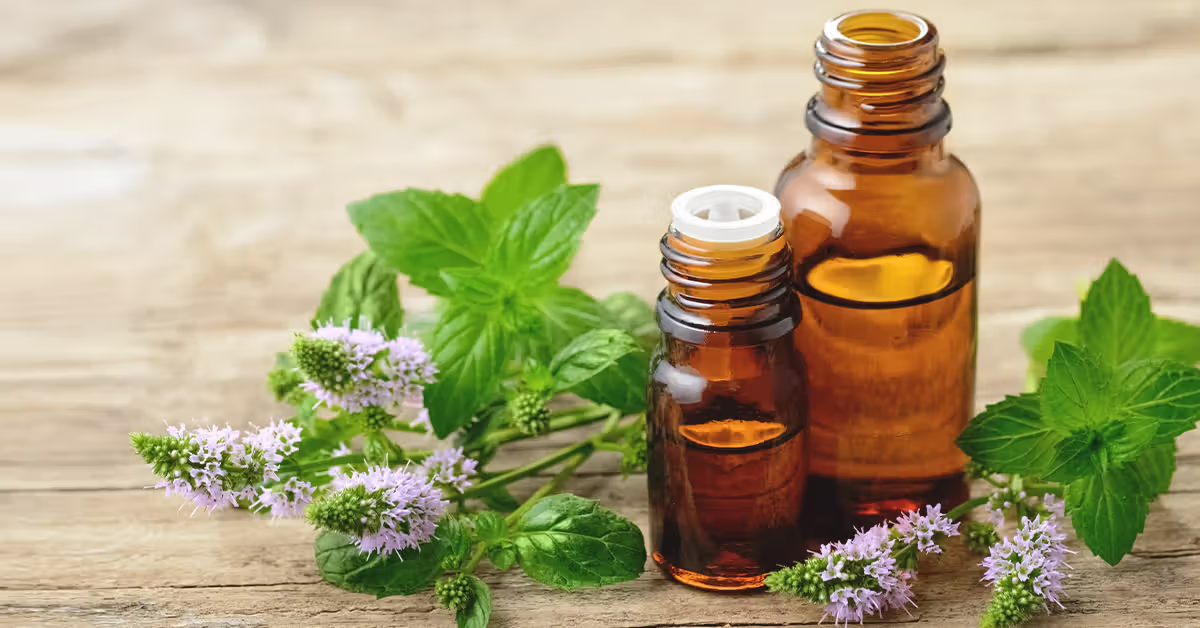
A new study suggests that peppermint oil may have a blood-pressure-lowering effect in adults whose readings are only mildly raised.
The research was carried out by scientists from the University of Lancashire and published in the journal PLOS One.
The researchers tested whether taking a small amount of peppermint oil each day could change blood pressure and other measures of health.
Peppermint is widely used in foods, teas, chewing gum, and products for digestive problems.
Its oil contains natural substances such as menthol and flavonoids, which researchers believe may have effects on blood vessels and circulation.
The study included 40 adults between 18 and 65 years old.
Participants had blood pressure that was above the healthy range or met the definition used by the researchers for stage 1 high blood pressure.
The volunteers were randomly assigned to receive either peppermint oil or a placebo, which did not contain the active treatment.
Those in the peppermint group took 100 microliters of the oil twice a day for 20 days.
After the treatment period, the researchers found a notable change in systolic blood pressure.
This is the top number in a blood pressure reading and shows the pressure in the arteries when the heart contracts.
Among people taking peppermint oil, systolic blood pressure fell by an average of about 8.5 millimeters of mercury, or mmHg.
The placebo group did not experience a similar meaningful reduction.
A fall of this size is interesting because even modest reductions in blood pressure can matter for long-term heart health if they are sustained.
However, this short study cannot show whether the improvement would continue for months or years.
The researchers also examined diastolic blood pressure, the lower number in a reading, as well as heart rate and several other measures.
They looked at sleep, mental well-being, body measurements, and blood test results to better understand the wider effects of the treatment.
Exactly why peppermint oil might lower systolic blood pressure is not yet certain.
One possibility is that some of its natural compounds help blood vessels relax, allowing blood to move through them more easily and reducing pressure against artery walls.
The findings are promising, but there are important reasons for caution. Only 40 people took part, and the treatment lasted for less than three weeks, so much larger studies are needed before peppermint oil could be considered a proven treatment for high blood pressure.
Researchers also studied people with relatively mild blood pressure problems.
The results therefore cannot tell us whether peppermint oil would be useful or safe for people with severe hypertension, heart disease, or other serious medical conditions.
Peppermint oil is also highly concentrated and is not the same as drinking peppermint tea or eating peppermint-flavored foods.
Essential oils can cause side effects and may interact with medicines, so people should not assume that taking larger amounts will produce greater benefits.
Most importantly, anyone already taking medicine for high blood pressure should not stop or reduce it because of this study.
Poorly controlled blood pressure can be dangerous, and changes to treatment should be discussed with a doctor or other qualified health professional.
For now, established approaches remain the foundation of blood pressure control.
These include regular physical activity, eating a balanced diet, limiting excess salt, maintaining a healthy weight, avoiding smoking, limiting alcohol, and taking prescribed medicines when needed.
The new research does, however, open an interesting path for further investigation.
If larger and longer clinical trials confirm the results, peppermint oil or compounds derived from it might eventually provide another option for helping some people manage mildly elevated blood pressure.
The research was published in PLOS One.
If you care about high blood pressure, please read studies about unhealthy habits that may increase high blood pressure risk, and drinking green tea could help lower blood pressure.