US President Donald Trump said on Thursday he would pause attacks on Iran’s energy plants for ten days and said talks with Iran were going “very well,” amid growing uncertainty about the war’s endgame after four weeks of US-Israeli onslaught.
Trump made the comment in a Truth Social post shortly after threatening during a cabinet meeting at the White House to increase pressure on Iran if it did not make a deal.
“As per Iranian Government request … I am pausing the period of Energy Plant destruction by 10 Days to Monday, April 6, 2026, at 8 PM, Eastern Time,” Trump said in the post.
“Talks are ongoing and, despite erroneous statements to the contrary by the Fake News Media, and others, they are going very well,” he said.
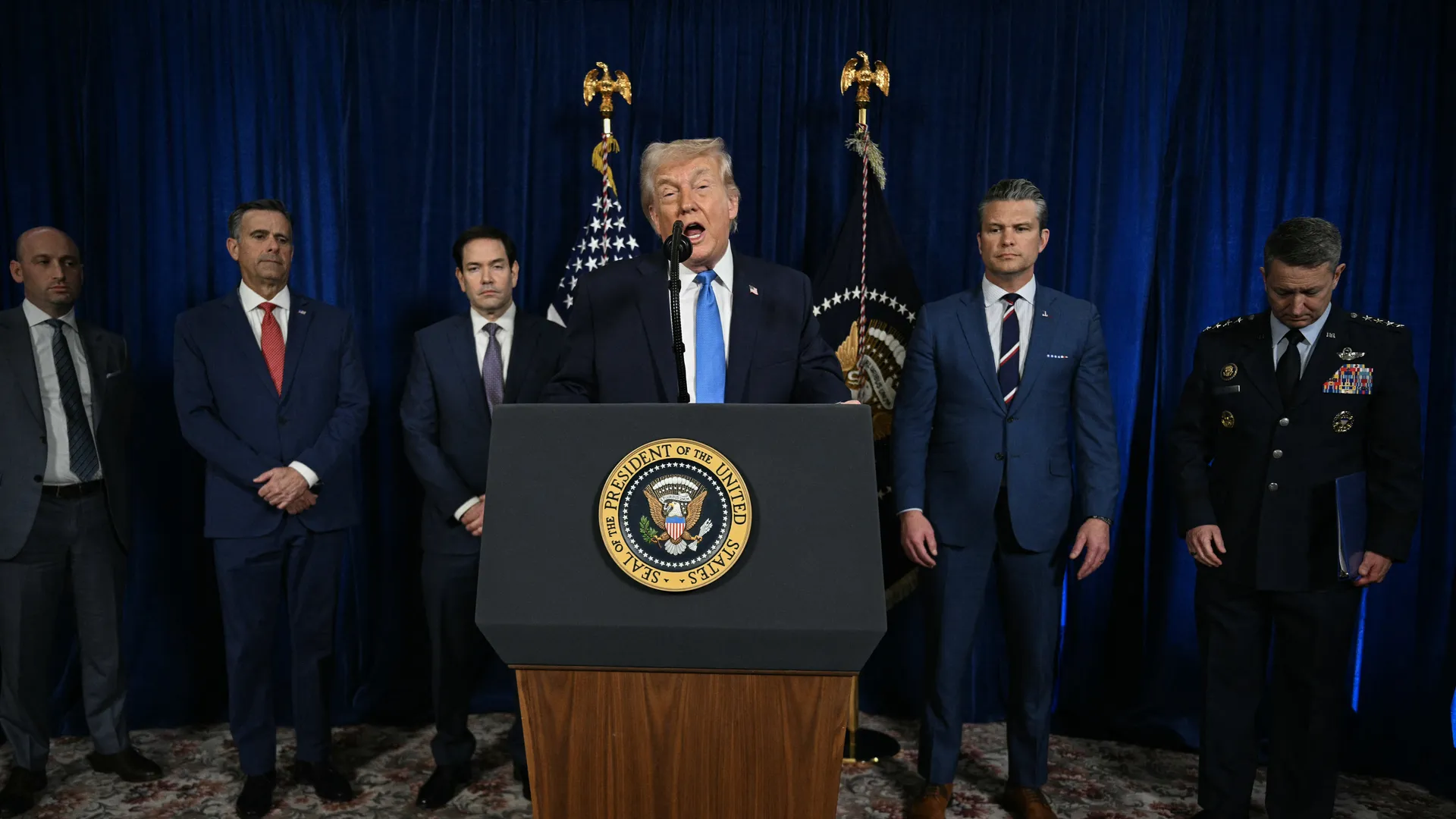
During the 90-minute televised meeting at the White House, Trump veered between repeated threats to “obliterate” Iran and claims it was on the verge of capitulating.
Trump’s wavering between threats of military force and talk of a diplomatic deal fuel speculation that he has yet to decide on the war’s goals and time-line.
In the meanwhile, the Pentagon is looking at sending up to 10,000 additional ground troops to the Middle East so that Trump has more military options, the Wall Street Journal reported on Thursday, citing officials at the department.
The United States has already deployed uncrewed drone speedboats for patrols as part of its operations against Iran, the first time Washington has confirmed using such vessels in an active conflict.
Trump said the US would become the Iran’s “worst nightmare” if it did not comply with US demands, which include opening the Strait of Hormuz and ending its nuclear programme.
He said taking control of Iran’s oil was an option, but did not elaborate.
The Pentagon is said to be planning to send thousands of airborne troops to the Gulf to give Trump more options to order a ground assault, with two contingents of Marines already on their way.
Trump denied being “desperate” to make a deal with Iran amid growing signs he is seeking a quick end to the conflict.
He rejected reports that he was looking for an exit ramp, as oil prices soared and political pressure mounted to avoid the kind of drawn-out Middle East war he once spurned.
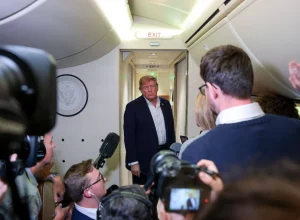
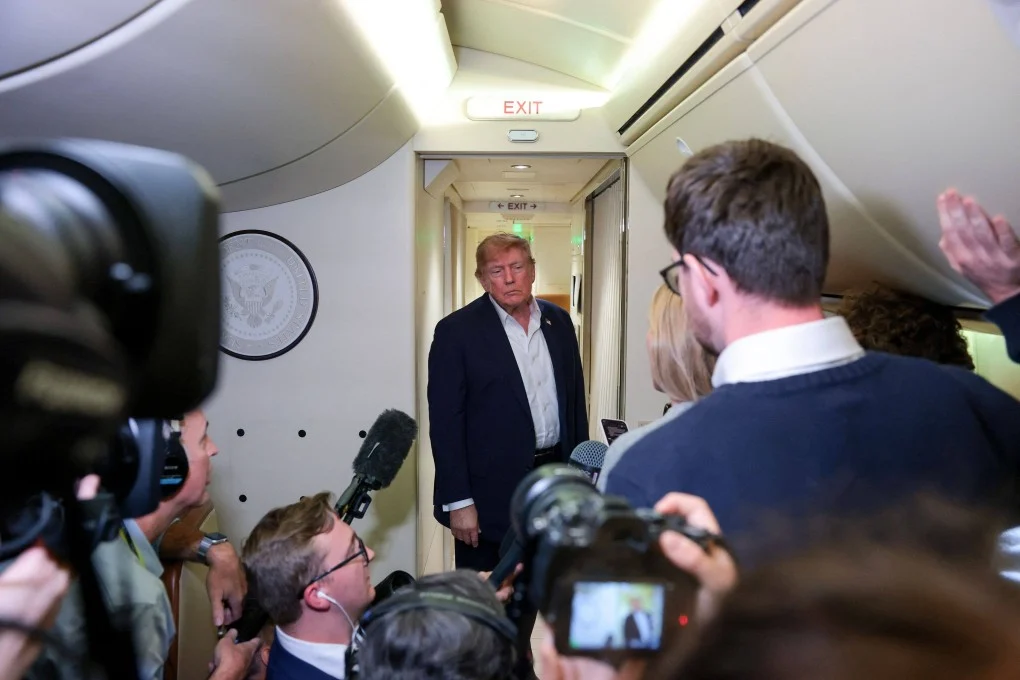
“I read a story today that I’m desperate to make a deal,” Trump told reporters. “I’m the opposite of desperate. I don’t care.”
The war has massively disrupted shipping, sending crude oil prices up nearly 40 percent. Prices of nitrogen-based fertilisers, critical to food production, have risen by nearly 50 percent.
Despite Trump’s upbeat assessment, Iran continued to retaliate against US and Israeli strikes by hitting Israel and US bases; it also struck Gulf states and effectively blocked Middle East fuel exports via the Strait of Hormuz.
An Iranian official told Reuters that a 15-point US proposal, conveyed to Tehran by Pakistan served only US and Israeli interests.
Trump suggested on Thursday that Iran let ten oil tankers transit the Strait of Hormuz as a goodwill gesture in negotiations, including some Pakistan-flagged vessels.
One former senior US official said Iran, whose leadership apparatus had been shattered by the war, likely felt it needed to inflict more damage on the US and Israel to deter future attacks.
“We’re a long way from an actual potential, real negotiation with the Iranians at this stage,” the former official said, adding that Trump would need to decide soon whether to use force to open the Strait.
Pakistan’s foreign minister said “indirect talks” between the US and Iran were taking place through messages relayed by Islamabad, with other states including Turkey and Egypt also supporting mediation efforts.
The US-Iran talks have been shrouded in uncertainty since Trump first announced them on Monday and postponed a threat to attack Iran’s power plants.
Iran has hardened its stance since the war began, demanding guarantees against future military action, compensation for losses, continuation of its nuclear and ballistic missile programmes and formal control of the strait, Iranian sources say.
It also told intermediaries that Lebanon must be included in any ceasefire deal, regional sources said.
On Thursday, Iran launched multiple waves of missiles at Israel, striking Tel Aviv, Haifa and other areas, including a Palestinian town in central Israel.
At least one ballistic missile hit Tel Aviv, according to Israel’s military, while others carried cluster munitions that dispersed smaller explosives, damaging homes and cars.
In Iran, strikes hit the southern city of Bandar Abbas and a village on the outskirts of the southern city of Shiraz.
Secretary of Defence Pete Hegseth hailed Trump for “doing the work of the free world.”
“We pray for a deal, and we welcome a deal,” Hegseth said. “But in the meantime … the Department of War will continue negotiating with bombs.”