The MoU provides a framework for developing industrial-scale processing plants for key commodities such as cashew, maize, rice, soybean and oil palm.
It also integrates packaging, quality control, storage and export systems to strengthen Ghana’s competitiveness in the global market.
In addition, the partnership includes the creation of a National Fertiliser Manufacturing Plant and Integrated Input Supply System to reduce Ghana’s heavy dependence on imported fertilisers and ensure a stable, affordable supply for farmers nationwide.
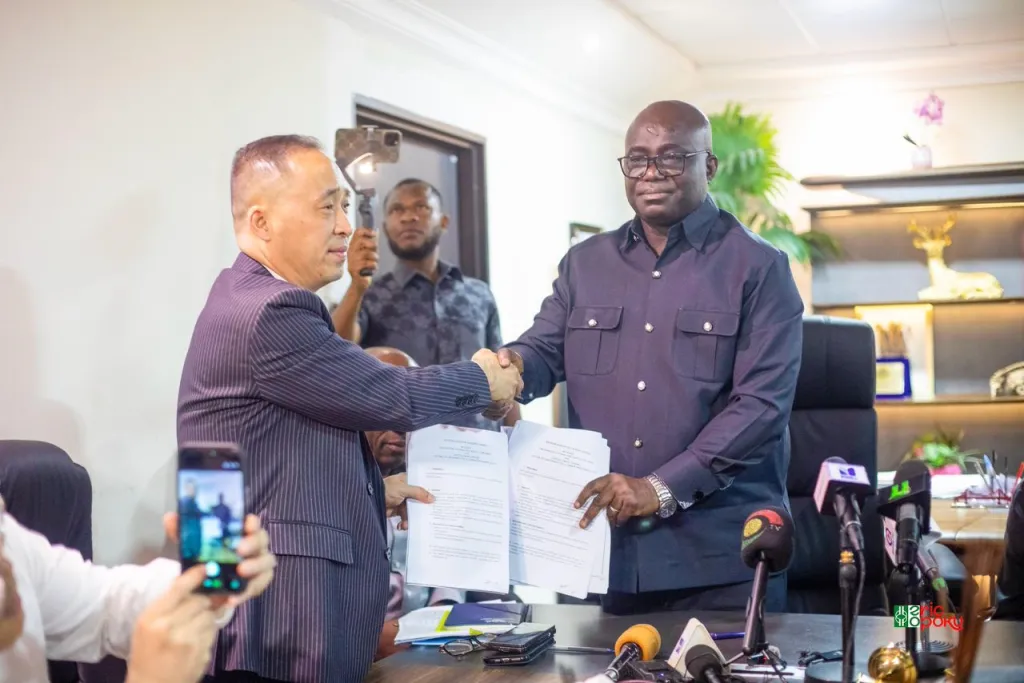
The Minister of Food and Agriculture, Eric Opoku, signed on behalf of the government, while the Group Chairman of Sentuo Group, Ningquan Xu, signed for the company.
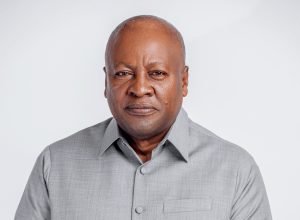
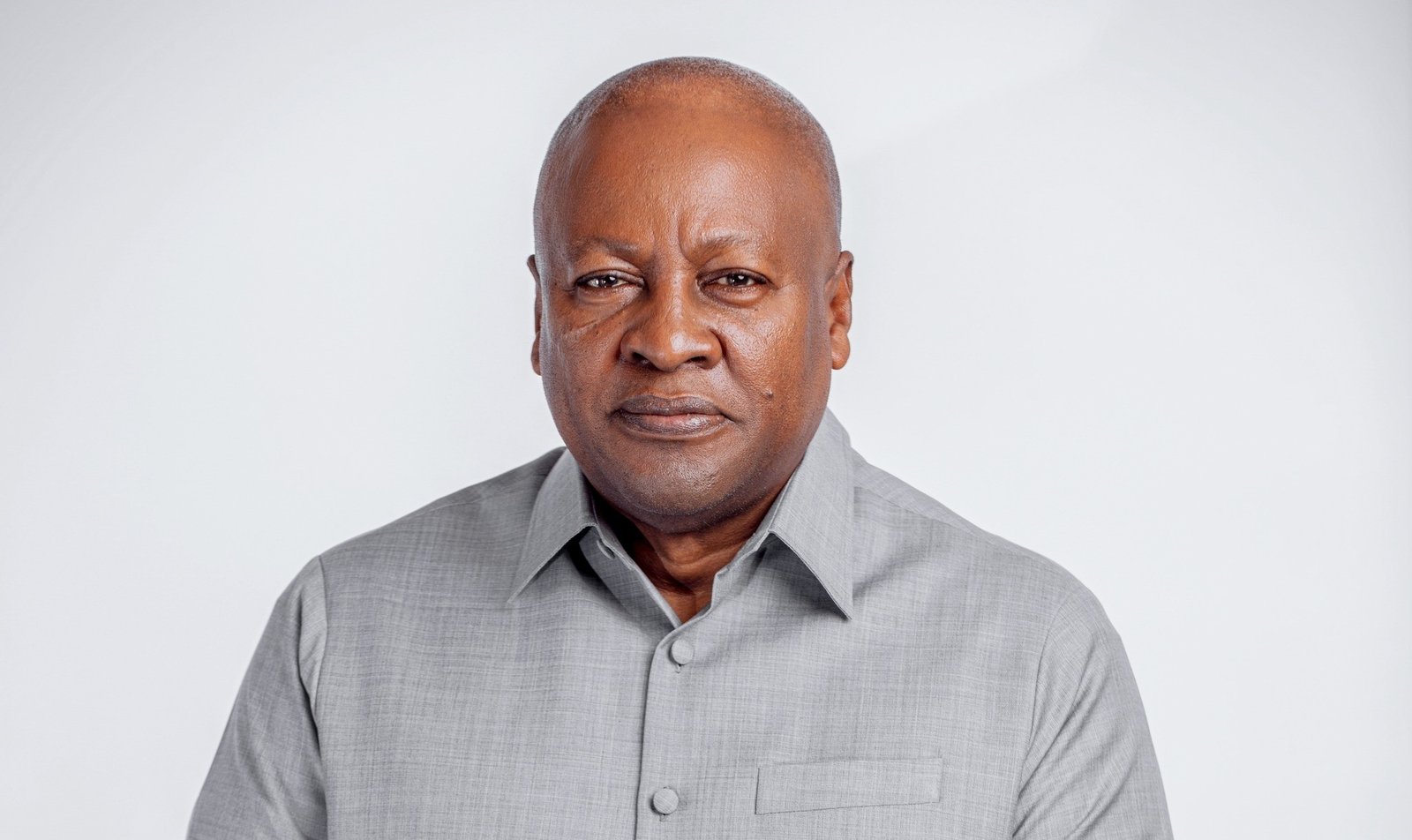
The agreement aligns with President John Dramani Mahama’s vision of repositioning the country from a raw commodity exporter to a fully integrated agro-industrial economy.
At the core of the partnership is the establishment of modern agro-processing facilities and a national fertiliser manufacturing ecosystem aimed at boosting productivity, stabilising input costs and enhancing food security.
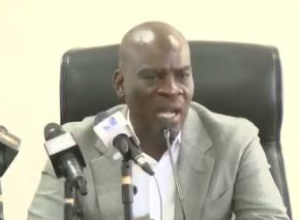
“This partnership represents a decisive shift from exporting raw commodities to building a resilient agro-industrial economy that creates value, jobs and prosperity for our people,” Mr Opoku said.
The Food and Agriculture Minister said that for too long, farmers had been exposed to the volatility of imported inputs.
“This initiative secures Ghana’s fertiliser independence and guarantees a consistent supply at competitive prices,” Mr Opoku added.
The initiative is expected to become a cornerstone of the government’s broader agricultural transformation agenda under the Feed Ghana Programme and the 24-Hour Economy policy.
The collaboration comes at a time when Ghana is rolling out one of the largest fertiliser support programmes in its history.
Under the 2026 national budget, the government allocated 272,000 tonnes of fertilisers for nationwide distribution, over 164,000 tonnes of targeted fertilisers for intensified crop production, with about GH¢2.7 billion for cocoa fertiliser support.
All the fertiliser interventions are expected to cover more than 661,000 farmers.
The Sentuo partnership is expected to complement these interventions by building local production capacity, thereby reducing pressure on foreign exchange and shielding the country from global supply shocks.
“This is how we anchor our agricultural policy in sustainability – by aligning public investment with private sector capacity to deliver long-term national impact,” the Minister of Food and Agriculture said.
Sentuo Group Limited, an international industrial and infrastructure development firm, has committed to financing, designing, constructing and operating the proposed facilities under a Public-Private Partnership (PPP) model, in line with Ghana’s legal and regulatory framework.
The company will deploy modern technology, mobilise international technical partnerships, and ensure compliance with environmental and industrial standards, while prioritising job creation, skills transfer and local content development.
“This project will create thousands of direct and indirect jobs, empower our youth with technical skills, and position Ghana as a leader in agro-industrial production across the region,” Mr Opoku noted.
MoFA’s role will focus on policy coordination, regulatory facilitation and stakeholder alignment across government institutions to ensure seamless implementation and integration into national programmes.
“Under the leadership of President Mahama, we are building a modern agricultural economy – one that is productive, industrialised, export-driven, and capable of sustaining Ghana’s economic transformation for generations,” the minister said.
The agreement is expected to help reduce post-harvest losses through processing and storage, increase export earnings from value-added products, stabilise fertiliser prices, create thousands of jobs along the agricultural value chain, and strengthen food security and economic resilience.
The next steps include feasibility studies, regulatory approvals and PPP structuring before full implementation begins.