The proposed framework will encourage coordinated engagement and strengthen institutional responses to threats against journalists.
The Minister State in charge of Government Communications, Felix Kwakye Ofosu , who disclosed this, explained that the policy recognised that journalists’ safety was a shared responsibility, requiring the cooperation of government agencies, law enforcement institutions, media organisations and the civil society.
“Threats, intimidation and harassment against journalists undermine press freedom and restrict public access to information. Government institutions, civil society, media practitioners and development partners must work together to promote information integrity and protect journalists from threats and intimidation,” he said.
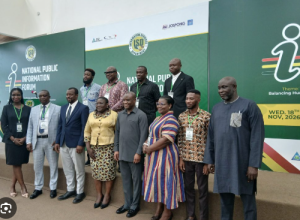
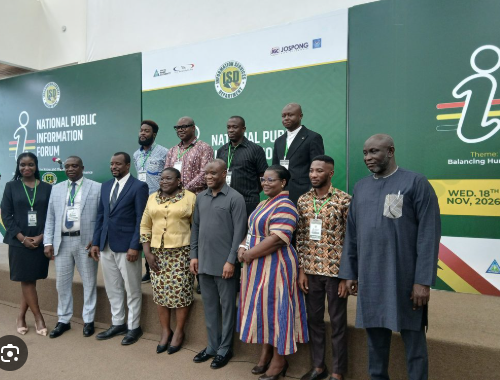
Mr Ofosu was speaking at the National Public Information Forum organised by the Access To Information Division (ATID) of the Information Services Department (ISD) yesterday.
The forum was meant to explore ways to balance human rights with democratic governance.
It was held on the theme, “The Right to Information and the Right Speak: Balancing Human Rights Protection in Democratic Governance.”
The minister stressed that in an era where artificial intelligence (AI) and the digital space were being used to perpetrate falsehood and misinformation, it would take stronger collaboration between state institutions and journalists to saturate the public sphere with timely and relevant information for national development.
In that regard, he said the government had prioritised the establishment of a robust RTI ecosystem at public institutions and the training of information officers to facilitate the implementation of the RTI law.
Mr Ofosu said effective implementation of RTI required responsive institutions, accessible information systems, trained information officers and an informed public.
He, however, observed that the right to information and freedom of expression guaranteed under the 1992 Constitution must be exercised with due regard for other rights and legitimate interests, including privacy, human dignity and public safety.
Mr Ofosu said there was the need for sustained action to deal with misinformation and make accurate information available to citizens.
“First, we need to strengthen the implementation of the Right to Information Act.
Public institutions must provide information management, equip information offices and respond to requests efficiently and in accordance with the law,” he said.
Again, he said there must be improved public awareness and information literacy by equipping citizens “to access, assess, and use information responsibly, identify misinformation, and verify sources.”
He also underscored the need to promote responsible freedom of expression and information integrity.
“Governments, the media, civil society and digital platforms must support open and informed public discourse while respecting human rights and dignity,” he said.
Mr Ofosu added that stakeholders must collaborate to address barriers experienced by information applicants, such as delays, limited awareness and inaccessible information, and work towards practical solutions.
The acting Director of the ISD, Dr Winnifred Nafisah Mahama, said accurate Information was a vital response for accountable and transparent governance, and must be held in high esteem.
She, therefore, urged institutions to remove bureaucratic bottlenecks to access to information
“When credible facts are readily available, rumours lose their value, and that is why public relations officers must work with the relevant stakeholders to make accurate information readily available,” she said.
Dr Mahama said the ISD remained committed to making accurate information available in a timely manner for all persons who needed it.
The Head of Information at the ATID of ISD, Bridget Mensah, said advancing access to public Information was critical as it was fundamental to a thriving democracy.
She said the theme was apt as it underscored the need for a proper balance between citizens’ right to speak and the protection of human rights in the democratic governance space.
Ms Mensah called on information officers across the ministries, departments and agencies (MDAs) to perform their roles with competence in the national interest.